Most homes need fresh paint every 5–7 years in Overland Park, but the real answer to how often to paint the interior of house walls depends on the room. Hallways and kids' bedrooms wear out in 2–4 years, while quiet bedrooms and ceilings can go 10 or more.
In most Kansas City homes, the hallway gives up first and the guest room lasts longest. Cost guides put the typical range at 3 to 10 years, and where a room lands comes down to who uses it and how well it was prepped the first time.
This guide gives you the interval for every room, the signs that beat the calendar, and a simple way to decide between a touch-up and a full repaint. It also covers what a crew checks before a roller comes out, whether you live in Overland Park, Leawood, or on the Missouri side of the metro.
Key Takeaways
Plan on a full interior repaint every 5–7 years, with a realistic spread of 2 to 10 years depending on the room.
Hallways, stairs, and entries need paint every 2–3 years. Kids' bedrooms run 2–4 years. Kitchens run 3–5 years and bathrooms 3–4.
Adult bedrooms and formal rooms can go 5–10 years, and ceilings can go 10 years or longer.
Scuffs that won't wipe off, fading, stains, and peeling beat the calendar every time.
Touch up isolated marks. Repaint the whole wall when the sheen or color has shifted.
In Overland Park, humidity and seasonal swings push bathrooms, kitchens, and hallways toward the shorter end of these ranges.
How often do you paint the interior of house walls, room by room?
These are the ranges Stone Painting works from when its owner, Leo Stone, walks a home and writes a scope. Your own number shifts with kids, pets, cooking habits, and how well the last crew prepped the walls.
| Room | How often | Why |
|---|---|---|
| Hallways, stairs, and entries | 2–3 years | Hands, bags, and shoes hit the walls daily |
| Kids' bedrooms | 2–4 years | Marks, moved furniture, and changing tastes |
| Kitchen | 3–5 years | Grease and steam build up on the walls |
| Bathrooms | 3–4 years | Humidity breaks down the film |
| Laundry room | 3–5 years | Moisture from washing and drying |
| Mudroom | 2–3 years | Wet coats, boots, and backpacks |
| Living and dining rooms | 5–7 years | Moderate use, often painted for looks |
| Adult bedrooms | 5–10 years | Lowest traffic in the house |
| Ceilings | 10+ years | Wear comes from leaks or smoke, not use |
| Trim and baseboards | 2–4 years | Vacuums, feet, and toys |
What Makes Paint Last Longer or Wear Out Faster
1. Hands, pets, and furniture
Walls pick up oil from hands at shoulder height, scuffs from bags and vacuum bumpers near the floor, and dings wherever furniture moves. A household with two kids and a dog can cut a hallway's interval in half compared with a home of two adults. If you can see a darker band where hands brush the wall, that paint is already past its best.
2. Prep and paint grade
A repaint is only as durable as the surface under it. When Stone's crews repaint a room under project manager Lorenzo Lopez, they fill nail pops and cracks, sand the patches flush, spot-prime bare spots, and caulk open trim seams before the finish coats go on. Skip those steps, or save money on thin paint, and a wall that should last 7 years starts looking tired in 3 years. Sheen counts too, since a washable satin holds up in a hallway where flat paint scuffs, and the right paint finish for each room is worth settling before anyone opens a can.
3. Sun and seasonal humidity
South- and west-facing rooms fade faster, and the difference shows when you take a picture frame off the wall. Overland Park also swings from humid summers to dry, heated winters, and drywall and trim move with the seasons. That movement turns up as new nail pops, hairline cracks at corners, and open seams along the trim a few seasons after a repaint. Bathrooms and laundry rooms take the summer humidity head-on, which is why they sit in the shorter-interval group.
6 Signs Your Walls Need Paint
No schedule answers how often paint interior house walls need attention as well as the walls themselves. Here is what to look for.
- 1Scuffs and marks that survive a damp cloth. Washing a flat finish too often polishes it and makes the marks worse.
- 2Fading beside windows, especially on south and west walls.
- 3Peeling, bubbling, or cracking, which usually points to moisture or skipped prep underneath.
- 4Stains left after a leak has been repaired.
- 5Old patches that show through as dull or shiny spots in side light.
- 6A color you have outgrown. That counts as a reason, and it is a good one.
Never paint over visible mold or an active leak. Fix the source first, clean or replace the damaged drywall, and then paint, or the stain and the problem both come back.
Repainting Timelines for Ceilings, Trim, and Doors
Ceilings rarely wear out from use. They can go 10 years or longer, and many homeowners repaint them with every second wall repaint to keep the room matching. They move up the list only after water stains, smoke, or yellowing that cleaning won't touch. Trim takes the beating instead, because baseboards, door casings, and window frames sit in the path of vacuums and feet, so plan on 2–4 years. Keep a labeled can of your trim paint with the room and sheen written on the lid, and touch-ups between full repaints take 10 minutes.
When to Touch Up Paint vs. Repaint the Whole Wall
Touch up when the marks are isolated, you have leftover paint from the same can, and the wall is only a few years old. A single scuff beside the kitchen door from a barstool is a touch-up job.
Repaint the whole wall, corner to corner, when the sheen or color has shifted. Paint ages, so a fresh patch on an older wall shows up as a halo in afternoon light. A hallway with scuffs at every turn and a patched spot that flashes when the sun hits it needs the full wall, and the break should land at a natural corner so no seam shows.
What older homes need before anyone scrapes or sands?
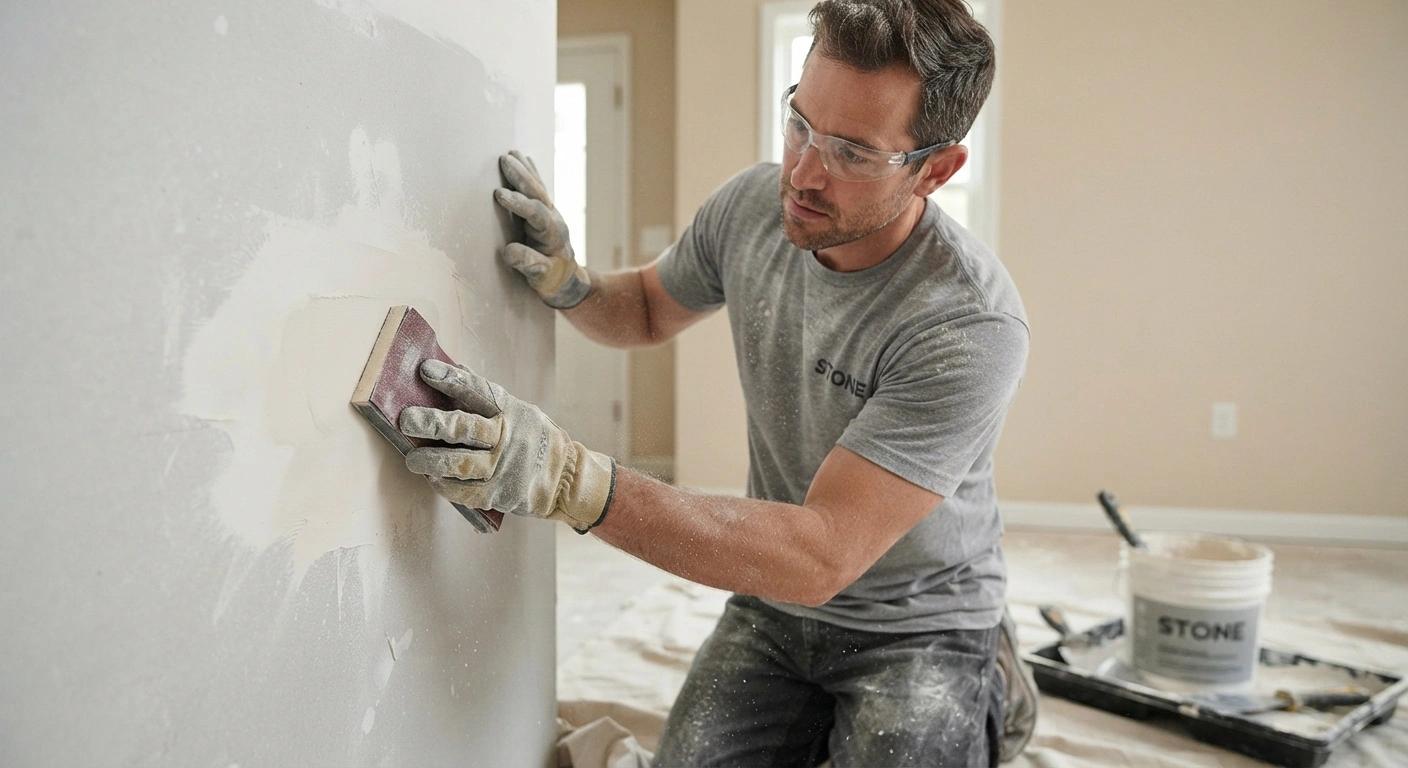
If your home was built before 1978, which includes many older homes in Fairway, Westwood, and parts of Kansas City and Overland Park, the paint under your paint may contain lead. The EPA requires contractors who disturb paint in those homes to be certified in lead-safe work practices, so ask any painter about it before sanding or scraping starts, and use the EPA's lead-safe resources to find certified firms. Don't dry-sand or scrape old paint yourself until you know what is in it.
How to Prioritize Rooms When Repainting in Stages
Start where the wear is worst and the payoff is fastest. Hallways and entries come first because everyone sees them and they scuff the quickest. Kitchens come next, then kids' bedrooms, then bathrooms and laundry rooms. Living rooms, dining rooms, and adult bedrooms can wait for the longer end of their range. Painting in that order keeps the house livable too, since a crew can finish one zone, clear it, and move to the next without taking over every room at once.
What to Budget for an Interior Repaint in Overland Park
Interior repaints don't have one price, but in Overland Park walls typically run roughly $2 to $6 per square foot including paint and materials, with room size moving the number the most. Patching, ceiling height, and trim detail push a quote up or down from there, which is why Leo walks every room first. Stone's quote is fixed and written the same day, so the number you approve is the number you pay.
How Stone Handles a Repaint
As the owner, Leo visits in person, walks every room with you, and writes the scope the same day, covering which walls, which ceilings, which trim, what gets patched, and which paint goes where. From there, five protections keep you out of the supervisor's seat.
- 1Same-day fixed written quote with every surface and step named
- 2Dedicated project manager (Lorenzo Lopez) as your single point of contact
- 3End-of-day text updates, so you never have to chase news
- 4Final walkthrough before the remaining 75% payment
- 5Up to 5-year written workmanship warranty
Stone builds every job around its tagline, "We Take the Pain Out of Painting." Lorenzo, Stone's full-time project manager, stays on your job with vetted crews, protects floors and furniture, and works room by room so your house stays livable. Stone's interior painting service covers walls, ceilings, trim, doors, and drywall repair, and the daily communication on every job covers what got finished, what comes next, and anything that needs your call.
Let the walls set the schedule
Most interior paint earns its keep for 5–7 years, and busy rooms run faster. When scuffs stop wiping off, color fades beside the window, or a patch flashes in afternoon light, the calendar no longer matters. If you can't tell which rooms are due, Leo will walk them with you and price the job the same day, with every surface and prep step in writing. Get Your Free Estimate or call (913) 963-6465.
Frequently asked questions
How often should you paint the interior of your house?
Plan on every 5–7 years for the house as a whole. Hallways, entries, and kids' rooms need it sooner, at 2–4 years, while quiet bedrooms can reach 10 years and ceilings can go longer. Scuffs that won't wipe off, fading, and stains matter more than the calendar.
How often should you paint a bedroom?
Adult bedrooms usually go 5–10 years because they see the least traffic. Kids' rooms run 2–4 years, since marks, moved furniture, and new tastes pile up. Repaint sooner if you see fading beside a window, stains from a leak, or patches that show through in side light.
Do ceilings need painting as often as walls?
No. Ceilings can go 10 years or longer, and many homeowners repaint them with every second wall repaint. Move that up if you have water stains after a repaired leak, smoke discoloration, or yellowing that cleaning won't touch.
Should kitchens and bathrooms be repainted more often?
Yes, by a few years. Plan on 3–5 years for kitchens and 3–4 years for bathrooms. Steam and grease break paint down faster in those rooms, so use a washable satin or semi-gloss and run the vent fan during and after use.
Does paint quality change how long it lasts?
Yes, but prep matters just as much. Better paint resists scuffing and washes cleaner, yet it still fails over unpatched nail pops, dust, or bare drywall. The longest life comes from proper patching, spot priming, two finish coats, and the right sheen for the room.
Is it worth repainting before I sell?
Usually, when walls are scuffed, patched, or in a color that narrows your buyer pool. Fresh neutral paint in the busiest rooms does the most for showings. Leo can scope the job around your listing deadline and tailor the paint grade for sale prep without skipping the patching and priming.