You are about to have the inside of your house painted in Overland Park, and before anyone walks through with a clipboard, you want to know what a fair price actually looks like. The short answer is that interior painting cost per square foot usually runs somewhere in a broad band, and the exact number depends far less on the paint itself than on the condition of your walls and which surfaces you want covered. Walls only sit at the low end. Walls plus trim plus ceilings sit higher. Prep work is the piece that quietly decides where your project lands inside that range.
The quick version before you read a single quote
- Interior painting is usually priced somewhere around a few dollars per square foot, and that figure is a starting frame, not a locked price.
- Painting the walls only costs noticeably less than painting walls, trim, and ceilings together.
- Labor, not paint, is the largest part of almost every interior painting bill.
- Surface condition moves the number more than anything else, because patching, sanding, and priming eat hours before color ever goes up.
- The lowest per-square-foot number on paper is often the most expensive job once skipped prep starts to fail.
What interior painting cost per square foot actually covers
Per square foot is a way to size up a job quickly, not a fixed rate that applies to every home the same way. One contractor might quote the price against your floor space, another against the actual surface area of the walls, and a third might fold trim and ceilings into one blended number. That is why two quotes with the same per-square-foot figure can describe very different amounts of work.
The cleanest way to read the cost per square foot for interior painting is to ask what it includes. A walls-only price covers the flat surfaces and little else. A full number climbs once you add ceilings, trim, baseboards, doors, and any detail cut-in work. When you plan a full interior repaint rather than a single room, the surface mix is what sets the budget, so it pays to know exactly what each bidder folded into their rate.
What moves the costs up or down
Most of the spread in interior painting pricing comes from a handful of factors. Understanding them is the difference between reading a quote and guessing at one.
Surface condition and preparation
This is the biggest swing in the whole estimate. Smooth, sound walls go fast. Walls with cracks, dents, nail pops, old patches, or peeling spots need scraping, sanding, filling, caulking, and spot priming before a finish coat makes sense. Good surface preparation is invisible once the job is done, which is exactly why cut-rate crews skip it, and exactly why skipping it shows within a season or two. Prep hours are the single largest reason two homes of identical size get very different prices.
Walls only versus walls, trim, and ceilings
Adding trim and ceilings is not a small bump. Trim is slow, detailed brushwork measured by the running foot, and ceilings mean ladder time, overhead rolling, and sometimes an extra coat to hide roller marks. The cost per square foot to paint interior walls on their own sits well below a full-surface scope, so this is the first thing to pin down when you compare bids.
Number of coats and color changes
Going from a dark wall to a light one, or covering a bold color, usually takes an extra coat, and sometimes a tinted primer underneath. More coats mean more material and more labor. A same-color refresh is one of the cheapest interior jobs there is. A dramatic color change is one of the pricier ones at the same square footage.
Ceiling height and room layout
Standard eight-foot walls are quick. Vaulted ceilings, stairwells, and two-story entryways add scaffolding or extended ladders and slow everyone down. Open-concept spaces with few breaks can move faster per square foot, while homes packed with corners, built-ins, and detailed trim take longer for the same floor area.
Paint grade
Better paint costs more per gallon but often covers in fewer coats and holds up longer, which can offset the upfront difference. The jump from a value line to a premium line changes material cost, though it rarely moves the total as much as prep and surface count do.
Labor
Labor is the largest share of nearly every interior painting bill. Construction and maintenance painters earn a median of about 24 dollars an hour nationally, and a careful interior job is mostly hours, not materials. That is why a thorough crew that preps properly will almost never be the cheapest line on your desk, and why the hourly reality behind the work matters more than the sticker price of the paint.
Typical cost by room
Pricing out one room at a time is often easier to picture than a whole-home figure. The ranges below reflect the average cost for interior painting of a single room, walls and basic trim, before heavy prep or high ceilings change the math.
| Room | Typical cost to paint |
|---|---|
| Bathroom | $150 to $400 |
| Bedroom | $350 to $850 |
| Living room | $600 to $2,000 |
| Dining room | $300 to $1,000 |
| Kitchen walls | $150 to $350 |
| Hallway or entry | $300 to $1,000 |
Rooms with more cut-in work, taller walls, or heavy prep land toward the top of each range, and a small guest bath with sound walls lands near the bottom.
What Your Painting Quote Should Include?
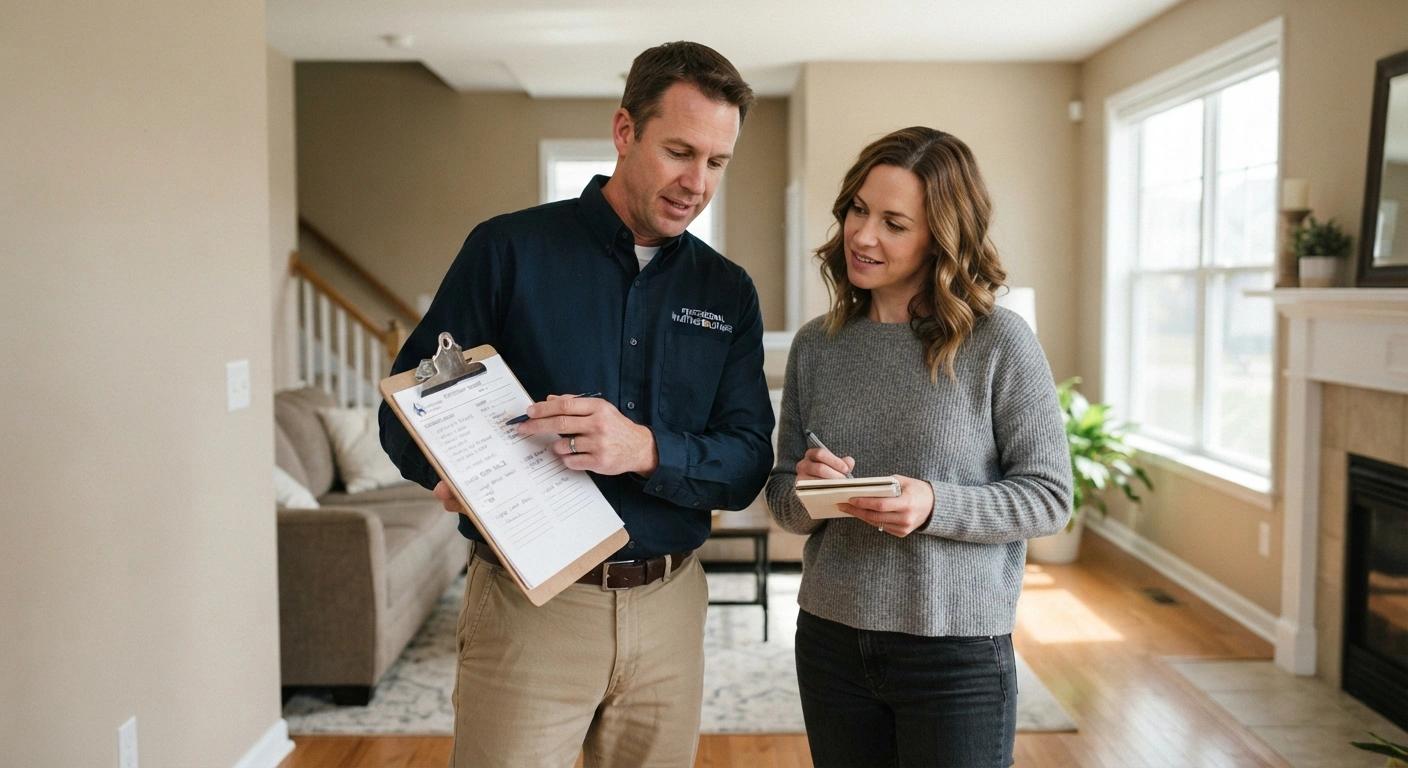
A per-square-foot figure only means something when you know what sits behind it. The same number can describe a careful two-coat job with full prep or a single thin coat over unprepared walls, and you cannot tell which from the price alone. A quote worth comparing names the surfaces being painted, the number of coats, the prep included, and anything deliberately excluded.
When every bid spells out the same details, the per-square-foot numbers finally become comparable. When they do not, the cheapest figure is usually the one hiding the most work. Ask each bidder to put the scope in writing, in plain language, so you are weighing the same job and not guessing at the gaps.
Why the lowest per-square-foot price often costs more
The temptation with any home project is to take the lowest number and move on. Interior painting is one of the places that backfires most reliably. A crew priced well below everyone else is usually saving that money somewhere you cannot see, almost always in prep, which is the part that determines whether the finish lasts.
You have probably heard a version of this from a neighbor. Paint goes over soft wood or a dirty, cracked wall, looks fine for a few weeks, then peels, flashes, or bubbles because nothing underneath was fixed first. Now you are paying a second crew to strip the first crew's work and do it right. The same goes for the half-finished do-it-yourself project that stalled out after one room and sat for two years. Cheap and fast rarely survives contact with an Overland Park winter, and the real cost of the low bid shows up on the repaint, not the first invoice.
How Stone Painting approaches interior pricing
Stone Painting prices interior work by walking the actual scope first, then putting a fixed written number in your hands the same day, so the figure you see reflects your walls rather than a generic rate. Owner Leo Stone visits for the estimate himself, and full-time project manager Lorenzo Lopez stays on the job as your single point of contact from the first day to the last. Here is what that structure puts in your corner.
- 1A same-day fixed written quote that names every surface, coat, and prep step before you decide anything.
- 2A dedicated project manager as one point of contact, so you are never chasing an answer.
- 3Daily end-of-day text updates, so you always know what happened on your property.
- 4A final walkthrough before the remaining balance, so you approve the work before you pay for most of it.
- 5An up to 5-year written workmanship warranty backing the finish.
The crews are vetted, the payment runs 25 percent at scheduling and 75 percent after you walk the finished rooms, and the whole model is built around removing the parts of a paint project that usually cause stress. Homeowners across Overland Park and the Kansas City metro, on both the Kansas and Missouri sides, can see what past clients have said about that process and read the specifics of the written workmanship warranty before committing to anything. When you want a real number for your own home instead of a national average, Book Your Free Estimate or call (913) 963-6465.
What this means for your project
Interior painting cost per square foot is a useful frame, not a final answer. The number that matters is the one written against your actual walls, with the prep, the coats, and the surfaces all named out loud. Once you can read a quote that way, you stop comparing prices and start comparing the work behind them, which is the only comparison that protects your money and your weekends.
Frequently asked questions
How much does it cost to paint the interior of a house per square foot
Most interior painting lands in a range of a few dollars per square foot, with walls-only work at the low end and walls, trim, and ceilings together toward the high end. The exact figure depends on your home's condition and how much prep the walls need before any color goes on.
How much to paint interior of house walls only versus everything
Walls only is cheaper, often by a wide margin. Trim is slow, detailed brushwork, and ceilings add ladder time and sometimes an extra coat. Deciding which surfaces you actually want painted is the fastest way to control the total.
Why are some interior painting quotes so much lower than others
Usually because the low quote includes less prep, fewer coats, or fewer surfaces, even when the per-square-foot number looks similar. Ask each bidder to list exactly what the price covers, and the real differences become obvious.
Does interior painting cost more for older homes
Often, yes. Older homes tend to need more patching, plaster repair, and priming, and houses built before 1978 may require certified lead-safe work practices that add time. The paint is the same, but the prep is heavier.
How much of an interior painting quote is labor
The large majority. A careful interior job is mostly hours spent prepping, cutting in, and coating, so labor typically dwarfs the cost of the paint itself. That is why thorough crews rarely post the lowest number.
How do I compare interior painting quotes fairly
Get every bid in writing with the same details spelled out, the surfaces, the number of coats, the prep included, and anything excluded. Comparing interior painting costs in the Overland Park area only works when each quote describes the same scope of work.