
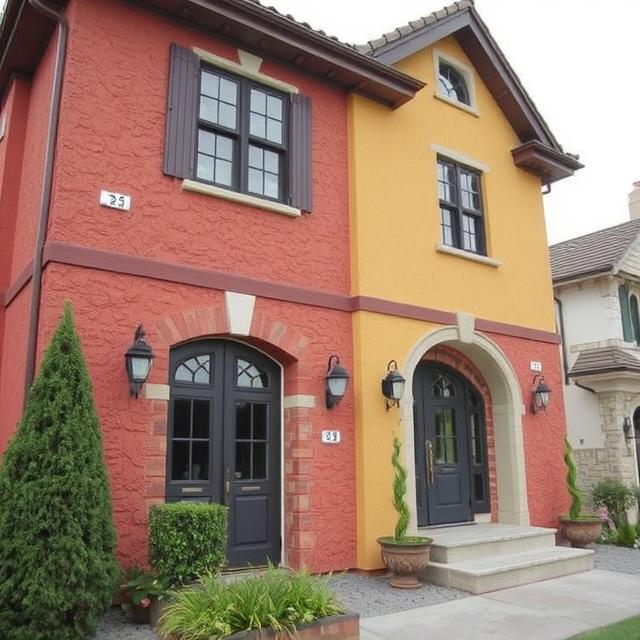
Kansas homeowners face unique exterior painting challenges created by the state’s dramatic seasonal temperature swings, unpredictable spring weather patterns, and the extreme climate conditions that make the Midwest notorious for testing paint durability from day one of application. The continental climate characteristic of Overland Park and surrounding Kansas City metropolitan areas delivers scorching summer heat exceeding ninety-five degrees, frigid winter cold dropping below zero, severe spring thunderstorms with damaging hail, and the temperature volatility that can shift fifty degrees within twenty-four hours during transitional seasons. These demanding conditions mean that exterior paint application timing doesn’t merely affect project convenience—it fundamentally determines whether paint properly adheres, cures correctly, and delivers the multi-year service life homeowners expect from significant painting investments. Understanding how Kansas weather patterns interact with paint chemistry helps homeowners schedule projects during optimal windows when temperature, humidity, and precipitation conditions align to support professional results rather than fighting against environmental factors that compromise paint performance regardless of product quality or contractor expertise.
Late Spring Offers the First Ideal Painting Window
Late May through early June represents Kansas’s first premium exterior painting season, when daytime temperatures consistently reach the sixty to eighty-five degree range ideal for most paint formulations while nighttime lows remain comfortably above fifty degrees necessary for proper curing. This late spring window follows the volatile early spring period when severe weather including tornadoes, hail storms, and dramatic temperature fluctuations create unpredictable conditions making project scheduling risky. By late May, Kansas weather typically stabilizes into more predictable patterns with reduced severe weather frequency, though Overland Park homeowners should remain aware that spring thunderstorms can still develop rapidly and disrupt painting schedules even during this generally favorable period. The moderate humidity levels common during late spring help paint flow smoothly during application while allowing adequate evaporation for proper film formation, contrasting with the excessive moisture that can plague early spring painting attempts when lingering cool temperatures combine with higher relative humidity to slow drying and extend vulnerability windows when fresh paint faces damage from unexpected precipitation.
The lengthening daylight hours during late spring provide extended work windows allowing contractors to complete more square footage per day compared to shorter fall or winter days, potentially reducing total project duration and minimizing the period homeowners live with painting disruption. However, late spring’s popularity among Kansas homeowners creates contractor scheduling challenges, with the best painting companies often booking this premium season months in advance. Homeowners hoping to paint during late spring should contact contractors in February or March to secure preferred scheduling, understanding that waiting until April or May often means accepting less desirable summer dates or delaying projects until fall.
Summer Painting Requires Strategic Management
June through August represents Kansas’s most challenging exterior painting season, when extreme heat and intense sun create conditions that accelerate paint drying beyond optimal rates while making outdoor work physically demanding for painting crews. Temperatures regularly exceeding ninety degrees cause paint to dry too quickly before properly leveling, creating visible brush marks, lap marks, and uneven texture that mar finished appearance. The intense Kansas sun beating directly on fresh paint can cause surface skinning where exterior paint film forms while interior layers remain wet, trapping solvents that prevent proper through-cure and creating blistering problems that emerge weeks or months after application. Additionally, the high UV radiation during summer months begins degrading fresh paint immediately after application, slightly reducing the total service life paint delivers compared to applications during milder seasons when initial UV exposure occurs after paint has fully cured and developed maximum chemical resistance.
However, summer painting remains viable for Kansas homeowners who understand and accommodate seasonal limitations through strategic project management. Early morning start times allow crews to complete significant work before midday heat peaks, with professional painters often beginning at dawn to maximize comfortable working conditions while avoiding afternoon temperatures that make exterior painting inadvisable. North and east-facing walls that remain shaded during afternoon heat hours can be painted throughout summer with good results, while south and west exposures receiving maximum sun impact might be scheduled for cooler morning hours or reserved for fall projects when conditions improve. Premium paints formulated specifically for hot-weather application provide extended open times that resist rapid drying, making summer painting more successful than standard formulations that weren’t designed for extreme heat conditions.
The practical reality for many Kansas families involves summer painting necessity despite less-than-ideal conditions, as work schedules, family commitments, and contractor availability often make June through August the only realistic window for completing home improvement projects. Understanding summer’s limitations allows homeowners to work with contractors on mitigation strategies including optimal daily scheduling, appropriate product selection, and realistic expectations about working pace during heat that may slow progress compared to comfortable spring or fall conditions.
Fall Delivers Kansas’s Premier Painting Season
September through October represents the absolute best time for exterior painting throughout Kansas, when moderate temperatures, low humidity, stable weather patterns, and reduced severe storm activity create nearly perfect conditions for paint application and curing. Daytime temperatures consistently ranging from sixty-five to seventy-five degrees with nighttime lows remaining above fifty degrees provide the extended temperature stability that allows paint to dry at optimal rates, achieving proper film formation and maximum adhesion to substrates. The lower humidity typical during Kansas fall allows moisture to evaporate steadily from drying paint without the excessive speed that causes summer problems or the sluggish evaporation that plagues cool spring conditions. This combination of moderate temperature and controlled moisture evaporation produces the smoothest finishes with optimal leveling and the most durable long-term performance from any seasonal painting window.
Fall’s stable weather patterns mean fewer project delays from precipitation compared to spring’s unpredictable severe weather or summer’s intense afternoon thunderstorms that can develop rapidly across Kansas plains. The pleasant outdoor temperatures make painting physically comfortable for contractors, often resulting in better workmanship quality as crews don’t battle extreme heat exhaustion or cold-weather discomfort that can compromise attention to detail. Many Overland Park homeowners find that fall painting allows them to enjoy improved curb appeal immediately before winter while ensuring their homes enter harsh Kansas cold with fresh protective coating fully cured and ready to withstand freeze-thaw cycling.
The challenge with fall painting involves contractor availability, as Kansas painting professionals recognize this season’s advantages and typically book schedules full months in advance. Homeowners hoping to paint during September or October should contact contractors by June or July to secure preferred dates, understanding that waiting until August often means accepting late October slots where early cold snaps could disrupt schedules or necessitate rescheduling into the following spring. Additionally, fall’s compressed timeline between ideal painting weather and first frost creates pressure to complete projects before temperatures drop below paint manufacturers’ minimum application recommendations, typically fifty degrees for latex paints and forty degrees for specialized cold-weather formulations.
Winter Painting Presents Significant Challenges
November through March creates extremely difficult exterior painting conditions throughout Kansas, with freezing temperatures, snow, ice, and dramatic temperature fluctuations making quality paint application nearly impossible using standard products and techniques. Most paint manufacturers specify minimum application temperatures of fifty degrees for latex paints and thirty-five to forty degrees for oil-based and specialty formulations, with these minimums representing absolute thresholds below which chemical curing reactions won’t occur properly regardless of product quality. Kansas’s frequent winter days with highs barely reaching forty degrees and nighttime lows plunging well below freezing create conditions where paint might appear to apply successfully during brief warm afternoon windows but then fails to cure overnight when temperatures crash, resulting in poor adhesion, extended tackiness, and ultimate paint failure requiring complete removal and reapplication.
The freeze-thaw cycling characteristic of Kansas winters proves particularly destructive to improperly cured paint, as moisture trapped in incompletely dried paint films freezes and expands, creating blistering and delamination that destroys protective properties. Even during occasional warm winter days when temperatures briefly exceed minimum application thresholds, the short daylight hours and rapid temperature drops after sunset create insufficient curing windows for paint to develop adequate film strength before facing destructive overnight cold. Professional painting contractors in the Overland Park area typically refuse winter exterior work entirely, understanding that quality results simply aren’t achievable under these conditions regardless of homeowner urgency or willingness to pay premium rates.
Homeowners facing emergency painting needs during Kansas winters—perhaps from storm damage requiring immediate weather protection—should explore temporary protective measures including tarping or specialized sealants designed for cold-weather application rather than attempting conventional painting that will almost certainly fail and require redoing during appropriate seasonal conditions. The false economy of winter painting that appears to save time or capitalize on contractor off-season availability typically costs far more when factoring inevitable paint failure and necessary spring remediation.
How Kansas Humidity Affects Paint Application
Kansas’s variable humidity patterns throughout the year significantly influence paint drying rates and final finish quality, with ideal relative humidity for exterior painting ranging from forty to seventy percent that allows steady moisture evaporation without excessive speed or problematic slowness. Spring humidity often exceeds this optimal range as Gulf moisture flows north across Kansas plains, creating conditions where paint dries slowly and remains vulnerable to damage from morning dew or unexpected precipitation for extended periods. The high humidity also promotes mildew growth on fresh paint in shaded areas where air circulation remains limited, a particular concern on north-facing walls or locations near dense landscaping. Summer humidity fluctuates dramatically in Kansas, with morning levels sometimes approaching saturation before dropping to arid afternoon conditions that cause paint to dry too rapidly, creating application challenges as contractors work through daily humidity cycles affecting different wall exposures at different times.
Fall typically delivers Kansas’s most stable humidity conditions, with moderate levels maintaining consistency throughout days and between successive days, allowing paint to cure at steady rates that produce optimal results. This humidity stability contributes significantly to fall’s reputation as premium painting season, as contractors can develop consistent application rhythms without constantly adjusting techniques to accommodate changing environmental conditions. Winter’s low humidity might seem favorable except that cold temperatures override any humidity advantages, with frozen moisture and inadequate warmth preventing proper paint curing regardless of relative humidity measurements.
Temperature Swings Require Flexible Scheduling
Kansas’s notorious temperature volatility—with sixty-degree days followed by thirty-degree nights even during transitional seasons—creates scheduling challenges for exterior painting projects where contractors must monitor forecasts carefully and sometimes adjust daily plans to accommodate unexpected temperature shifts. Paint manufacturers’ minimum temperature specifications apply to the entire curing period, not just application time, meaning that comfortable seventy-degree afternoon painting conditions become problematic if overnight lows will drop below fifty degrees and prevent proper film formation. Professional Kansas painting contractors develop expertise reading extended forecasts and identifying stable weather windows where temperatures will remain consistently above minimum thresholds for forty-eight to seventy-two hours following application, the critical period when paint develops initial cure and weather resistance.
Homeowners should expect some scheduling flexibility during Kansas painting projects, understanding that responsible contractors may delay start dates or pause multi-day work when unexpected cold fronts threaten to compromise paint curing. While these delays feel frustrating, they prevent the far more expensive and disruptive problems of paint failure requiring complete removal and reapplication. Clear communication about weather-related scheduling helps manage expectations, with contractors explaining temperature monitoring protocols and decision criteria for proceeding versus delaying work.
Planning Around Kansas Severe Weather Seasons
Kansas’s position in Tornado Alley creates additional exterior painting timing considerations, with April through June representing peak severe weather season when violent thunderstorms, large hail, and tornadoes pose risks to both painting crews and fresh paint vulnerable to damage during initial curing periods. Many experienced Kansas painting contractors view late March through early May as higher-risk scheduling windows despite otherwise favorable temperatures, preferring to delay major exterior projects until late May or June when severe weather frequency diminishes significantly. The potential for hail damage to fresh paint—creating dings, chips, and surface imperfections that mar otherwise perfect finishes—makes severe weather timing an important consideration beyond simple precipitation concerns affecting work schedules.
Fall’s reduced severe weather activity represents another advantage of September and October painting windows, as the atmospheric conditions generating violent spring storms typically calm considerably by early autumn. Kansas homeowners can schedule fall painting projects with greater confidence that completed work won’t face severe weather damage during vulnerable initial curing periods when paint hasn’t yet developed full hardness and impact resistance.
Making the Right Timing Decision for Your Home
Selecting optimal exterior painting timing for your Kansas home requires balancing ideal weather conditions against practical constraints including contractor availability, budget considerations, and personal schedule demands. Homeowners with flexibility should target late September through mid-October as absolute premium painting season, accepting that early contractor booking and potential premium pricing reflect this window’s advantages. Late May through early June represents excellent alternative timing with slightly higher weather unpredictability but generally favorable conditions and often better contractor availability than fall peak season. Summer painting remains viable for Kansas families without seasonal flexibility, requiring strategic accommodation of heat through early scheduling and appropriate product selection but delivering acceptable results when properly managed.
The worst timing involves late March through April when severe weather creates high project disruption risk, and November through February when cold temperatures prevent proper paint curing. Kansas homeowners should avoid these periods unless emergency circumstances make painting absolutely necessary regardless of conditions. Planning painting projects twelve months in advance allows securing preferred seasonal windows with top-tier contractors during their busiest periods, while last-minute scheduling typically forces compromise on timing, contractor selection, or both.
Protect Your Investment with Perfect Timing
Choosing the right season for exterior painting your Kansas home dramatically affects both immediate project success and long-term paint performance that protects your investment for years to come. At Stone Painting, we’ve spent years mastering the unique timing considerations Kansas weather demands, understanding exactly when Overland Park and Kansas City area conditions align to support painting projects that deliver beautiful, durable results. Our team monitors extended forecasts carefully and provides honest guidance about optimal scheduling windows for your specific project, never pressuring homeowners to proceed during marginal conditions that risk quality outcomes. We explain seasonal advantages and limitations clearly, helping you make informed decisions about timing that balance ideal weather against your practical needs and schedule constraints. Contact Stone Painting today to schedule your free consultation where we’ll discuss optimal timing for your exterior painting project, explain how we navigate Kansas’s unique climate challenges, and demonstrate why Overland Park homeowners trust our expertise for painting that withstands everything Kansas weather delivers season after season.