
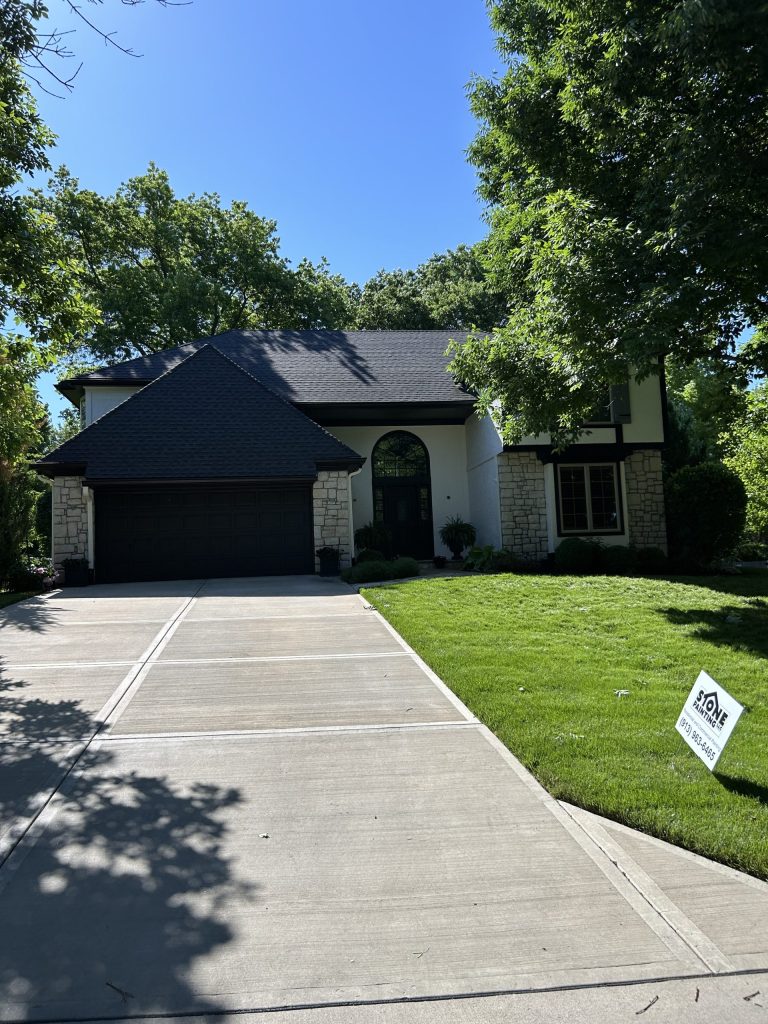
Garage doors dominate the front elevation of most Kansas City homes, often accounting for thirty to forty percent of your home’s street-facing facade and creating visual impact that dramatically affects curb appeal and first impressions for guests, neighbors, and potential buyers. Despite this prominence, homeowners frequently overlook garage doors when planning exterior painting projects, accepting faded, peeling, or outdated colors that undermine otherwise well-maintained properties throughout Overland Park, Lenexa, and Olathe. The reality is that garage door painting represents one of the most cost-effective exterior improvements available to Kansas City homeowners, delivering dramatic visual transformation for a fraction of the cost of garage door replacement while addressing the wear and weather damage that Missouri’s climate inflicts on these hardworking exterior elements. Understanding how to properly paint garage doors including surface preparation specific to different door materials, product selection that withstands Kansas City’s temperature extremes and humidity swings, and color strategies that enhance rather than detract from your home’s overall aesthetic empowers homeowners to achieve professional results that protect their investment while dramatically improving curb appeal.
The transformation potential of garage door painting often surprises homeowners who have grown accustomed to accepting their doors’ current condition as permanent reality. A weekend investment in proper preparation and quality materials can take a garage door from tired and dated to fresh and contemporary, instantly updating your home’s appearance and creating the kind of curb appeal that makes neighbors stop and ask who did the work. For Kansas City families working within budget constraints but wanting to maximize their home’s visual impact, garage door painting delivers exceptional return on investment while requiring only modest financial outlay compared to major exterior renovations.
Why Garage Doors Deserve Attention in Kansas City
The prominence of garage doors in Kansas City residential architecture reflects the metro area’s car-dependent culture and the practical need for protected vehicle storage during harsh winter weather and severe summer storms. Most homes built in the past forty years feature two-car or three-car garages with doors measuring sixteen to eighteen feet wide, creating massive visual elements that either enhance or undermine your home’s curb appeal depending on their condition and color. When garage doors show their age through faded paint, peeling finishes, or outdated colors, they broadcast neglect regardless of how well-maintained the rest of your property appears.
Kansas City’s climate proves particularly challenging for garage door finishes because these surfaces face south or west in most home orientations, receiving intense sun exposure that accelerates paint degradation. The combination of UV radiation during long summer days, temperature cycling between season extremes, and moisture exposure from rain and snow creates the perfect storm for finish failure. Steel doors expand and contract with temperature changes, wood doors absorb and release moisture with humidity fluctuations, and all materials suffer from the relentless assault of Missouri weather that can reduce inferior paint systems to chalky, peeling disasters within just a few years.
The cost difference between painting and replacing garage doors makes this decision straightforward for most budget-conscious homeowners. New garage doors for a standard two-car garage typically cost between fifteen hundred and four thousand dollars installed, while professional painting of the same doors runs between three hundred and eight hundred dollars depending on condition and material. Even factoring in repainting every seven to ten years, the cumulative cost of maintaining painted doors remains significantly lower than replacement while delivering comparable visual impact when executed properly.
Understanding Your Garage Door Material
Successful garage door painting begins with understanding your door’s construction material because different substrates require specific preparation techniques and paint products to achieve durable results. Steel garage doors represent the most common type throughout Kansas City, offering durability and relatively straightforward painting processes when proper primers and techniques are employed. These doors typically feature factory-applied finishes that eventually fade and chalk under UV exposure, requiring removal or proper surface preparation before new paint can adhere successfully.
Wood garage doors including both solid wood and wood composite constructions require more intensive preparation than steel but can achieve beautiful results that add genuine character and value to your home. Kansas City’s humidity swings create particular challenges for wood doors as moisture absorption causes swelling during humid summer months followed by contraction during dry winter periods, creating paint stress that can cause cracking and peeling if inferior products or improper techniques are used. Wood doors also face rot risks in areas where moisture accumulates, requiring inspection and repair before painting can provide lasting protection.
Aluminum garage doors present unique challenges because their smooth, non-porous surfaces resist paint adhesion unless properly prepared with specialized primers designed for metal substrates. Fiberglass doors, while less common in the Kansas City market, require similar attention to surface preparation and product selection to ensure paint bonds properly to the slick substrate. Understanding your door material determines which primers, paints, and preparation techniques will deliver professional results rather than creating expensive failures that require complete do-overs.
Preparation: The Foundation of Success
Professional-quality garage door painting depends more on thorough preparation than expensive paint, with surface cleaning, repair, and priming determining whether your finish lasts two years or ten years under Kansas City conditions. Begin preparation by thoroughly cleaning doors using a degreasing detergent and water, paying particular attention to bottom panels where road salt, oil, and grime accumulate. Power washing can speed this process but requires care to avoid forcing water into door panels or damaging weather sealing, while hand washing with brushes ensures complete cleaning without risk of water damage.
Steel doors require light sanding with fine-grit sandpaper or sanding sponges to remove chalked paint and create tooth for new paint adhesion, while also identifying any rust spots that need treatment before priming. Surface rust should be removed with wire brushes or sandpaper, then treated with rust-converting primer that chemically transforms remaining rust into stable surface suitable for painting. Deep rust or corrosion may require professional assessment to determine whether affected panels need replacement before painting makes economic sense.
Wood garage doors demand more intensive preparation including inspection for rot or moisture damage, particularly in bottom panels and anywhere water can collect. Soft or spongy wood indicates rot that requires removal and repair with wood fillers or replacement boards before painting can proceed. All bare wood must be primed with quality wood primer that seals grain and prevents tannin bleeding, while previously painted surfaces need sanding to remove loose or peeling paint and create smooth foundation for new coatings.
Caulking and sealing gaps between panels, around windows, and at trim pieces prevents moisture infiltration that can cause premature paint failure. Kansas City’s temperature extremes cause expansion and contraction that can open gaps in caulking over time, requiring inspection and renewal before painting. Use paintable, exterior-grade caulk rated for temperature extremes to ensure it remains flexible through Missouri’s seasonal cycles without cracking or pulling away from surfaces.
Paint vs. Stain: Making the Right Choice
The decision between paint and stain for garage doors depends on your door material, desired aesthetic, and maintenance willingness, with each approach offering distinct advantages and limitations. Paint provides complete color coverage and protection while offering unlimited color choices that can coordinate with or complement your home’s existing color scheme. Modern exterior paints formulated for metal and wood substrates deliver durability that withstands Kansas City weather while maintaining color vibrancy and protective properties for seven to ten years when properly applied over correct primers.
Stain works exclusively on wood garage doors and creates natural appearance that highlights wood grain while providing protection from moisture and UV damage. For Kansas City homes with wood doors where natural wood appearance enhances architectural character, quality exterior stain offers beautiful results that feel more authentic than painted surfaces. However, stain requires more frequent maintenance than paint, typically needing renewal every three to five years to maintain protection and appearance, making it higher-maintenance choice despite its aesthetic appeal.
Semi-transparent stains allow wood grain to show through while adding color and protection, creating middle ground between natural wood appearance and painted coverage. Solid stains provide nearly opaque coverage similar to paint while maintaining some wood texture visibility, working well for wood doors where grain patterns are unremarkable but natural appearance is preferred over painted look. Both stain options require premium products specifically formulated for exterior use and capable of handling Kansas City’s UV exposure and moisture cycling.
Paint sheen selection affects both appearance and durability, with semi-gloss and satin finishes typically performing best for garage doors. These mid-level sheens provide good cleanability while hiding minor surface imperfections better than high-gloss finishes that amplify every dent or irregularity. Flat or matte finishes, while attractive, show dirt and scuff marks more readily than higher sheens and may prove frustrating for garage doors that receive regular contact and exposure to environmental contamination.
Color Selection Strategies for Maximum Impact
Strategic color selection transforms garage door painting from simple maintenance into genuine curb appeal enhancement that increases your home’s visual appeal and perceived value. The fundamental decision involves whether garage doors should match your home’s main color to help them recede visually, coordinate with trim colors to create cohesive appearance, or contrast deliberately to create architectural interest and focal points. Each approach works in different situations depending on your home’s architectural style, existing color scheme, and the visual effect you want to create.
Matching garage doors to house body color makes them less prominent and works particularly well when garage doors dominate your home’s facade and you want to minimize their visual impact. This approach creates unified appearance that makes homes feel larger and more cohesive, particularly effective for homes where garage doors face the street and constitute forty percent or more of the visible facade. Lighter colors work best for this strategy in Kansas City because they reflect heat more effectively during intense summer sun exposure, potentially extending paint life while reducing heat transfer into garage spaces.
Coordinating garage doors with trim color creates definition while maintaining harmony with overall color scheme, particularly effective when your home features distinctive trim color that could extend to garage doors without overwhelming the facade. This approach works well for traditional homes where white or cream trim already defines windows and architectural details, allowing garage doors to join this family of coordinating elements. For homes with dark body colors and light trim, continuing trim color to garage doors can brighten the overall appearance while creating intentional, designed look.
Creating contrast through bold garage door colors makes them architectural features rather than elements to minimize, working when your home’s architecture supports distinctive treatment and neighborhood aesthetic allows creative expression. Deep charcoal, sophisticated navy, or rich black garage doors can create striking contemporary appeal against lighter house colors, while warm reds or barn-red tones can enhance craftsman or farmhouse-style homes. However, bold choices require confidence and understanding that they may appeal strongly to some future buyers while discouraging others, potentially affecting resale flexibility.
Hardware and Detail Enhancements
Garage door painting projects present perfect opportunities to upgrade hardware and decorative elements that multiply visual impact while requiring minimal additional investment. Replacing dated hardware including handles, hinges, and decorative hardware can transform basic garage doors into custom-looking features that suggest quality and attention to detail. Kansas City home improvement stores stock various styles from traditional carriage-house hardware to contemporary minimalist designs, allowing homeowners to customize appearance to match architectural preferences.
Faux carriage-house hardware has gained popularity throughout Kansas City suburbs, creating the appearance of swing-out carriage doors on standard sectional garage doors through strategic placement of decorative hinges, handles, and other elements. This treatment works particularly well on homes with traditional or transitional architecture where genuine carriage house doors would be prohibitively expensive but the aesthetic appeal justifies the enhancement. Quality faux hardware withstands Kansas City weather when properly finished to coordinate with door color and overall design scheme.
Window updates including replacing or painting window frames and adding decorative window film can refresh garage door appearance while improving energy efficiency and privacy. Frosted or textured window films provide privacy for garage interiors while allowing natural light, creating more pleasant workspace and reducing the closed-in feeling that solid panel doors create. Painting window frames to match or coordinate with overall door color creates polished, integrated appearance rather than the afterthought look that mismatched frames produce.
Lighting enhancements including wall sconces flanking garage doors or overhead fixtures above door openings complement freshly painted doors while improving functionality and security. Proper lighting highlights your painting investment during evening hours while making the garage entrance safer and more welcoming. Coordinating fixture finishes with garage door hardware creates cohesive design scheme that suggests professional planning rather than piecemeal updates.
Application Techniques for Professional Results
Achieving professional-quality garage door finishes requires specific application techniques that account for the unique challenges these large, textured surfaces present. Spray application delivers the most uniform coverage and professional appearance for garage doors, particularly on textured or paneled surfaces where brush application can leave visible marks or create uneven coverage. Airless sprayers work well for this application but require careful masking of surrounding areas including driveway, landscaping, and adjacent home surfaces to prevent overspray contamination.
Brush and roller application works well for homeowners without spray equipment and can achieve quality results when proper techniques are employed. High-quality brushes and rollers designed for the paint system you’re using ensure smooth application without excessive texture or visible marks. Working in sections and maintaining wet edges prevents lap marks, while multiple thin coats deliver better results than single thick applications that can sag or show brush marks.
Temperature and timing considerations become critical for Kansas City garage door painting because surface temperatures on south and west-facing doors can exceed acceptable limits during summer afternoons. Early morning or late afternoon application during moderate weather provides optimal conditions, while avoiding painting during temperature extremes or high humidity ensures proper paint curing and adhesion. Spring and fall typically offer the best conditions for garage door painting in Kansas City, with moderate temperatures and lower humidity supporting excellent paint performance.
Two-coat application represents the minimum for durable garage door finishes, with primer plus two topcoats delivering optimal protection and color coverage. Allow proper drying time between coats as specified by paint manufacturer, typically four to six hours for water-based products and longer for oil-based alternatives. Rushing application by applying second coats before first coats properly dry compromises adhesion and can create finish problems that appear weeks or months after completion.
Weatherproofing and Long-Term Protection
Extending the life of your garage door paint investment requires attention to weatherproofing and ongoing maintenance that protects against Kansas City’s climate challenges. Bottom panel protection proves particularly important because these areas receive the most moisture exposure from rain splash, snow accumulation, and ground moisture. Applying extra paint coats to bottom panels or using specialized protective sealers provides additional defense against moisture infiltration that can cause premature paint failure or wood rot.
Weather sealing maintenance including replacing worn door sweeps and checking side and top seals prevents water infiltration that can damage door substrates and compromise paint from behind. Kansas City’s driving rain during thunderstorms can force water past inadequate seals, creating moisture problems that paint alone cannot prevent. Annual inspection and replacement of deteriorated seals costs little but prevents expensive damage while improving garage energy efficiency.
Regular cleaning extends paint life by removing dirt, mold, and environmental contaminants that can degrade finishes over time. Gentle washing with mild detergent and soft brushes twice yearly removes accumulated grime while allowing inspection for any developing problems including paint cracks, rust spots, or wood damage that requires attention. Addressing minor issues promptly prevents them from becoming major problems requiring extensive repairs.
Touch-up maintenance for minor chips or scratches prevents small damage from becoming entry points for moisture and rust. Keeping small amounts of leftover paint allows quick touch-ups that maintain protective coverage and appearance between major repainting cycles. For steel doors, addressing any exposed metal promptly prevents rust from developing and spreading beneath paint films.
Return on Investment and Resale Value
Garage door painting delivers exceptional return on investment among exterior improvements, with costs typically ranging from three hundred to eight hundred dollars for professional work while providing visual impact that can increase perceived home value by several thousand dollars. Real estate professionals consistently rank garage doors among the first elements potential buyers notice when viewing properties, making their condition and appearance critical factors in forming positive first impressions that influence sale prices and time on market.
The cost-benefit analysis becomes even more favorable when comparing painting to replacement, with quality paint jobs costing roughly one-fifth to one-quarter of new garage door installation while delivering comparable visual improvement for homes where existing doors remain structurally sound. This makes garage door painting particularly valuable for homeowners preparing to sell who need maximum curb appeal improvement within limited budgets, or for those planning to remain in their homes but wanting to enhance daily enjoyment and neighborhood pride.
Professional execution versus DIY considerations depend on homeowner skill level, available time, and tool access. While garage door painting represents more accessible DIY project than many exterior improvements, professional painters achieve superior results through experience with proper preparation techniques, access to commercial-grade equipment, and understanding of product selection and application methods. The difference in final appearance and longevity often justifies professional costs, particularly for homeowners lacking experience or confidence in their painting abilities.
When you’re ready to transform your Kansas City home’s curb appeal through professional garage door painting that delivers lasting beauty and protection, Stone Painting brings the expertise and attention to detail that metro area homeowners deserve. Our team understands the specific challenges Kansas City’s climate presents for garage door finishes and uses premium products and proven techniques that ensure your investment delivers maximum visual impact and durability. We handle all aspects of the project including thorough surface preparation, professional application, and hardware recommendations that enhance your overall results. Contact us today to schedule your consultation and discover how garage door painting can dramatically improve your home’s appearance while protecting these important exterior elements from Missouri’s demanding weather conditions.