
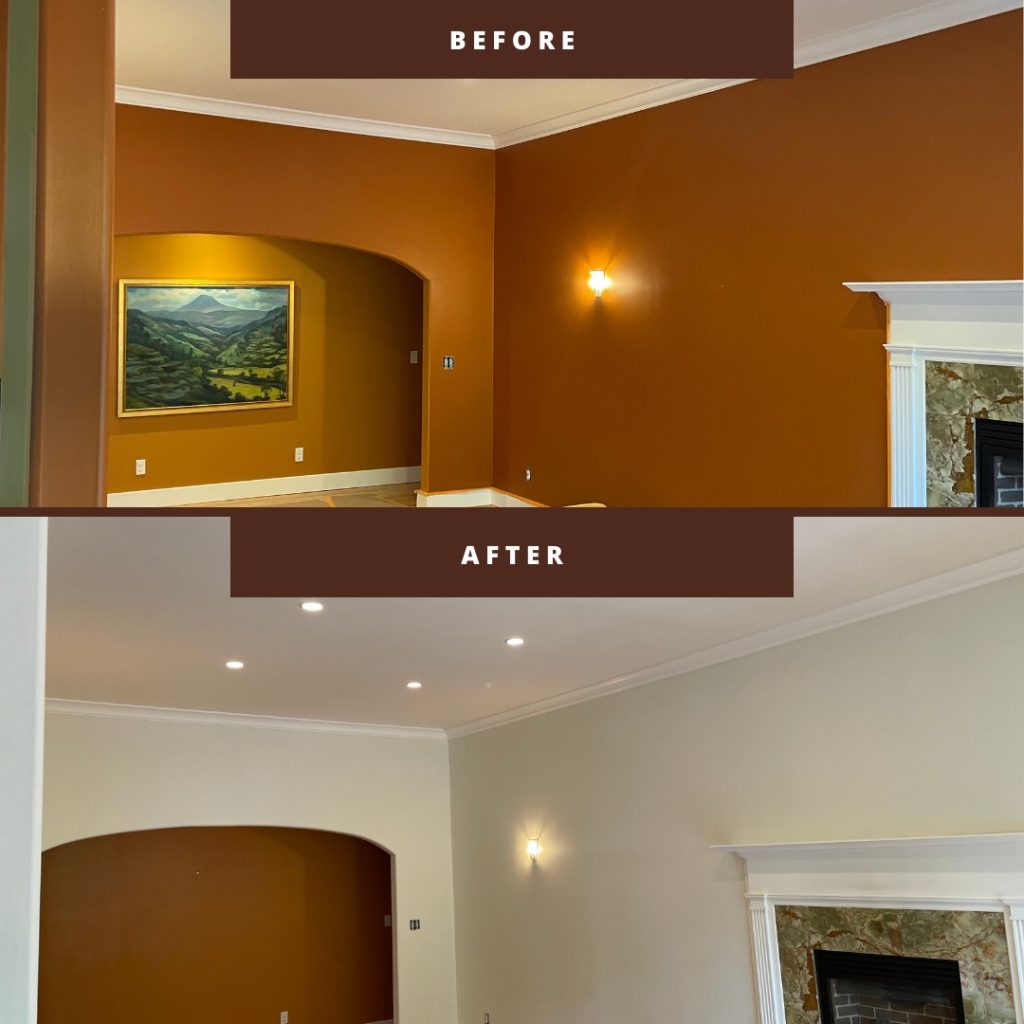
Crown molding and decorative trim represent the finishing touches that transform ordinary Kansas City homes into polished, sophisticated spaces, yet these architectural details often receive inadequate attention during interior painting projects, resulting in sloppy edges, visible brush marks, and color bleeding that undermines otherwise quality work. The difference between trim painting that adds genuine elegance to your Overland Park, Prairie Village, or Leawood home and trim work that appears amateurish or distracting often comes down to surface preparation thoroughness, product selection wisdom, and application technique precision that distinguish professional results from well-intentioned but flawed DIY attempts. While interior painting projects naturally focus on large wall surfaces, the visual impact of perfectly executed crown molding and trim work disproportionately affects how homeowners and guests perceive overall painting quality and attention to detail. Understanding the specific challenges that Kansas City’s older homes present for trim painting including dealing with multiple paint layers, addressing settling cracks, and working around humidity-related wood movement empowers homeowners to achieve professional-looking results that enhance their homes’ character while protecting the investment that quality millwork represents.
The prominence of crown molding and trim in Kansas City’s diverse housing stock reflects architectural traditions ranging from craftsman bungalows in Brookside featuring substantial baseboards and door casings to colonial revivals in Mission Hills showcasing elaborate crown molding and wainscoting. These architectural details deserve the specialized attention required to highlight rather than obscure their refined profiles and proportions, with proper painting techniques making the difference between trim that enhances room aesthetics and trim that becomes visual distraction through poor execution.
Why Trim Painting Demands Special Attention
Crown molding and trim work serve multiple functions beyond simple decoration, creating visual transitions between architectural planes, framing openings and architectural features, and adding dimensional interest that flat surfaces lack. Quality trim work makes rooms feel more finished and intentional, suggesting the level of care and craftsmanship invested throughout the home. When trim painting receives casual treatment with inadequate preparation or sloppy application, it immediately signals corner-cutting that raises questions about overall construction and maintenance quality, potentially affecting both daily enjoyment and eventual resale value.
The psychology of perceived quality in Kansas City real estate depends heavily on finish details that communicate care and professionalism to potential buyers. Perfectly painted trim with crisp, clean lines between wall and trim colors suggests attention to detail that extends to aspects buyers cannot see, while bleeding paint, visible brush marks, or inconsistent coverage signals rushed work that raises concerns about what other shortcuts may have been taken. This perception significantly impacts both the daily pleasure homeowners derive from their living spaces and the eventual sale price buyers are willing to pay, making professional-quality trim painting an investment in both immediate aesthetic satisfaction and long-term property value.
Kansas City’s older homes present particular challenges for trim painting because decades of previous paint applications create complex surfaces requiring more intensive preparation than new construction. Historic neighborhoods including Waldo, Westport, and parts of downtown Kansas City feature homes with trim that may carry five, eight, or even ten layers of paint accumulated over a century, creating thick, uneven surfaces that require scraping, sanding, and filling to restore the crisp profiles and smooth surfaces that showcase architectural details properly. The settling and movement common in older homes also creates cracks at joints and separations between trim pieces that must be addressed during preparation to achieve professional results.
Humidity fluctuations in Kansas City homes cause wood trim to expand during humid summer months and contract during dry winter periods heated by forced air systems, creating stress on paint films that can cause cracking, particularly at joints where different trim pieces meet. This seasonal movement means that trim painted during winter when wood sits at minimum moisture content may develop hairline cracks when summer humidity causes expansion, while trim painted during humid periods may show gaps when winter drying causes contraction. Understanding these moisture dynamics helps homeowners anticipate normal seasonal behavior versus actual paint failure requiring correction.
Surface Preparation: The Foundation of Professional Results
Professional-quality trim painting depends more on thorough surface preparation than expensive paint, with cleaning, repair, and priming determining whether finished results look polished or amateurish. Begin preparation by cleaning all trim surfaces using TSP (trisodium phosphate) substitute or degreasing cleaner to remove accumulated dirt, cooking grease from kitchens, smoke residue, and general household grime that prevents proper paint adhesion. Pay particular attention to baseboards and door casings in high-traffic areas where hand oils and scuff marks accumulate, requiring scrubbing rather than simple wiping to achieve the surface cleanliness necessary for durable paint bonds.
Scraping and sanding remove loose or peeling paint while creating smooth surfaces free from the ridges, bumps, and texture irregularities that telegraph through fresh paint and mar final appearance. Kansas City homes with multiple previous paint layers often show alligatoring, checking, or peeling that requires aggressive scraping to reach stable paint underneath, potentially exposing bare wood that needs priming before topcoats can be applied. Use flexible putty knives for scraping rather than rigid scrapers that can gouge wood, working carefully around delicate profiles and carved details that characterize quality crown molding and decorative trim.
Sanding with progressively finer grits creates smooth surfaces while removing the glossy sheen from previous paint that prevents new coatings from bonding properly. Start with 120-grit sandpaper to remove rough areas and level uneven surfaces, then finish with 220-grit to create smooth foundation that accepts new paint without showing sanding scratches. Sanding sponges work particularly well for molded profiles and curved surfaces where flat sandpaper cannot conform to complex shapes, allowing proper surface preparation on ornate trim without excessive effort or risk of damaging delicate details.
Filling nail holes, cracks, and imperfections with quality spackling compound or wood filler creates the flawless surfaces that characterize professional trim work. Kansas City’s older homes often show settlement cracks where crown molding meets ceilings or where baseboards join at inside corners, requiring flexible acrylic caulk rather than rigid fillers to accommodate ongoing slight movement without cracking. Apply caulk in thin, smooth beads using caulk guns with steady pressure, then tool with dampened fingers to create flush, smooth transitions that become invisible under paint. Overfilling and excessive caulk application creates more problems than it solves, with thick caulk beads remaining visible through paint and collecting dust over time.
Priming bare wood and patched areas ensures uniform paint coverage and prevents tannin bleeding from wood species including oak and mahogany that can discolor topcoats. Quality stain-blocking primers seal wood grain and create uniform surface that accepts topcoats evenly without the blotchy appearance that occurs when paint soaks into bare wood differently than it adheres to previously painted surfaces. For Kansas City homes with water stains from roof leaks or plumbing issues, oil-based stain-blocking primers provide superior blocking compared to water-based alternatives, preventing stains from bleeding through fresh paint and requiring complete do-overs.
Paint Selection: Products That Perform
Selecting appropriate paint products for crown molding and trim involves understanding that these high-visibility, high-contact surfaces require different performance characteristics than wall paints, with durability, cleanability, and flow properties taking priority over coverage and hide. Semi-gloss and satin sheens typically work best for Kansas City trim applications because they provide good cleanability while hiding minor surface imperfections better than high-gloss finishes that amplify every dent or irregularity through reflective highlights. The slight sheen also creates subtle contrast with flat or eggshell wall paints, defining architectural details through light reflection differences even when trim and walls share similar colors.
Quality paint formulations specifically designed for trim and doors deliver superior flow and leveling compared to standard wall paints, creating smooth surfaces free from brush marks and application texture. Premium trim paints remain workable longer during application, allowing more time for brushing out and achieving smooth finishes before paint begins setting. This extended working time proves particularly valuable for intricate crown molding where complex profiles require careful brushing to ensure complete coverage in crevices and recesses without creating drips or sags on horizontal surfaces.
Primer selection for trim painting requires understanding that these products provide the foundation for all subsequent performance, making it essential to choose primers specifically designed for the substrate and conditions present. For bare wood trim in Kansas City homes, oil-based or shellac-based primers provide superior adhesion and stain blocking compared to water-based alternatives, though they require mineral spirits cleanup and produce stronger odors during application. For previously painted surfaces in good condition, high-quality water-based primers work well while offering easier cleanup and lower odor, making them attractive for interior projects where ventilation may be limited.
Color selection for trim involves deciding whether to create contrast through different colors or maintain cohesion through similar tones, with each approach offering distinct aesthetic effects suited to different architectural styles and personal preferences. Traditional approaches favor painting trim in colors lighter than walls, typically using whites or creams that create definition through contrast while making rooms feel larger and brighter. However, contemporary design increasingly embraces monochromatic schemes where trim and walls share similar colors but different sheens, creating subtle definition through light reflection rather than color contrast.
Application Techniques for Crisp, Clean Results
Achieving professional-quality trim painting requires specific application techniques that create the crisp lines, smooth surfaces, and flawless finishes that characterize expert work. Brush selection significantly affects results, with high-quality angled sash brushes allowing precise control around detailed profiles while maintaining smooth application that doesn’t leave visible brush marks or texture. Synthetic brushes work well with water-based paints, while natural bristle brushes perform better with oil-based products, though premium synthetic formulations now match or exceed natural bristle performance across all paint types.
Cutting in techniques for creating clean lines between trim and walls separate amateur from professional results, with steady hands and proper brush loading preventing the paint bleeding and ragged edges that mar otherwise quality work. Load brushes moderately rather than heavily, removing excess paint by tapping bristles against the container rim rather than scraping across the edge which removes too much paint and creates dry brushing. Apply paint to trim surfaces in long, smooth strokes following wood grain, maintaining wet edges to prevent lap marks while keeping paint away from walls until developing confidence with brush control.
Two-coat application represents the minimum for durable, professional-looking trim finishes, with primer plus two topcoats delivering optimal protection, color depth, and smooth appearance. Allow proper drying time between coats as specified by paint manufacturer, typically two to four hours for water-based products under Kansas City’s typical indoor conditions, longer during humid periods or in poorly ventilated spaces. Rushing application by applying second coats before first coats properly dry compromises adhesion and can create finish problems including wrinkling, lifting, or extended drying times that delay project completion.
Masking and protection strategies prevent wall paint contamination while creating the clean lines that professional trim painting requires. High-quality painter’s tape specifically designed for delicate surfaces protects walls without pulling off paint when removed, particularly important for Kansas City homes with older wall paint that may have weakened adhesion. Apply tape carefully, pressing edges firmly to prevent paint seepage while leaving slight gap between tape edge and trim to account for brush positioning. Remove tape while paint remains slightly wet to prevent peeling dried paint along tape edges, pulling at 45-degree angles away from painted surfaces for cleanest release.
Common Mistakes and How to Avoid Them
Understanding common trim painting mistakes helps Kansas City homeowners avoid the problems that create amateur-looking results requiring complete do-overs. Inadequate surface preparation including skipping cleaning, minimal sanding, or incomplete filling represents the most frequent mistake, creating results that initially appear acceptable but develop adhesion failures, visible imperfections, or durability problems within months. Investing proper time in preparation prevents these failures while creating the smooth, clean surfaces necessary for professional results, making preparation the single most important determinant of trim painting success.
Using incorrect paint products including flat wall paint on trim, inadequate primers, or economy-grade products lacking the flow and durability characteristics necessary for trim applications compromises results regardless of application skill. Premium trim paints cost more than wall paints but deliver the performance characteristics necessary for surfaces subject to contact, cleaning, and close inspection, making the additional expense worthwhile for the superior results and extended longevity they provide. Similarly, cutting corners with inadequate primers creates adhesion problems and stain bleeding that undermine subsequent topcoats no matter their quality.
Rushing application through insufficient drying time between coats, working too quickly to maintain wet edges, or applying overly thick coats trying to achieve one-coat coverage creates the texture, sags, and brush marks that characterize amateur work. Professional-quality results require patience and attention to proper techniques including moderate paint loading, smooth brushing, adequate drying time, and accepting that multiple thin coats deliver superior results to single thick applications. Kansas City homeowners should allocate adequate project time to allow proper work pace without rushing through steps in attempts to meet artificial deadlines.
Poor brush technique including overloading brushes, using worn or low-quality brushes, or applying paint against rather than with wood grain creates visible brush marks, uneven coverage, and textured surfaces that detract from trim appearance. Quality brushes properly loaded and skillfully applied create smooth finishes free from the application marks that telegraph through dried paint and remain visible under close inspection. Learning proper brushing technique through practice on inconspicuous areas before tackling highly visible crown molding or prominent door casings helps homeowners develop the skills necessary for professional results.
Neglecting caulking or applying excessive caulk represents another common mistake that affects final appearance. Hairline cracks at joints need filling with paintable caulk to create seamless transitions between trim pieces, but excessive caulk application creates visible beads that collect dust and remain obvious despite paint coverage. Proper caulking involves applying minimal amounts sufficient to fill gaps without creating buildup, then tooling smooth with dampened fingers before paint application.
Tools, Materials, and Investment Considerations
Achieving professional trim painting results requires specific tools and materials beyond basic painting supplies, with quality brushes, proper primers, and specialized products representing worthwhile investments for homeowners tackling trim painting projects. Premium angled sash brushes in two-inch and three-inch sizes provide the control and smooth application necessary for trim work, with quality brushes maintaining their shape, holding adequate paint, and creating smooth finishes that inexpensive brushes cannot match. While professional-grade brushes may cost thirty to fifty dollars compared to five to ten dollars for economy versions, they deliver dramatically superior results while lasting through multiple projects when properly cleaned and stored.
Painter’s tape specifically designed for delicate surfaces prevents wall damage while creating clean lines, with premium tapes costing more than basic masking tape but providing superior adhesion, clean release, and bleed prevention that justify the additional expense. Caulk guns, putty knives, sanding sponges, and TSP cleaners round out the tool requirements, representing modest investment that enables proper surface preparation and professional application techniques.
Professional versus DIY considerations for trim painting depend on homeowner skill level, available time, and the importance of achieving professional results throughout the home. While trim painting represents more accessible DIY project than many painting tasks, the precision required and the prominence of results make professional execution attractive for homeowners lacking confidence in their abilities or wanting guaranteed professional results. The cost difference between DIY and professional trim painting often proves less than anticipated when accounting for tool purchases, material costs, and the value of time invested, particularly for complex projects involving extensive crown molding or homes requiring significant preparation.
Stone Painting delivers the precision and expertise your Kansas City crown molding and trim deserve. Our team understands the specific challenges that Kansas City homes present including working with multiple paint layers, addressing settlement cracks, and achieving the crisp lines and flawless finishes that make trim work enhance rather than detract from your interior spaces. We use premium trim paints specifically formulated for durability and beautiful finishes, invest the time necessary for thorough surface preparation that ensures lasting results, and employ the proven application techniques that create the smooth surfaces and clean lines homeowners expect from professional painters. Contact Stone Painting today to schedule your consultation and discover how expert trim painting can elevate your home’s interior finishing details to the professional standard they deserve.